
Entertainment and cultural trends sometimes collide in unexpected ways. In the UK, a particular phrase from a popular online casino game, “Legacy of Dead Slot,” has commenced appearing in talks about mental health. People are utilizing it as a metaphor for the state of therapy services. This article looks at that crossover. It analyzes how the visuals of a erratic slot machine expresses the experience of being held on a extended waiting list for psychological help. We will distinguish the truth of the care challenges from the symbolic language, to more fully understand the dialogue about access, fortune, and anguish when pursuing support.
Psychological Impact of Prolonged Waiting
Awaiting therapy, after finding the courage to ask for help, causes its own psychological damage https://legacy-of-dead.eu/. This time is characterized by a toxic blend of hope and helplessness. People might feel their condition isn’t serious enough to warrant faster care. Or they may think it is so dire the system has abandoned them. This ambiguity leads to rumination. The wait itself becomes a central focus of anxiety, making the original symptoms worse. The metaphor of the spinning slot reel visualises this suspended state. It is a repetitive anticipation with no clear end, which can wear down resilience and foster a sense of betrayal by the institutions meant to help.
The Facts of UK Therapy Waiting Lists
The concrete evidence paints a clear picture. NHS talking therapies, known as IAPT services, show progress in some areas but still have substantial variations in waiting times. The target is for 75% of people to start treatment within six weeks. Many trusts fail to meet this. Waits can drag on beyond a year for more complex cases or specialist services like child and adolescent mental health (CAMHS). These delays are not just numbers. They are periods of deteriorating mental health, strained relationships, and for some, increased risk. The “Legacy of Dead Slot” metaphor works because it connects with the actual experience of thousands stuck in this holding pattern.
Economic and Social Costs of Delayed Care
The impacts of these waiting lists spread far beyond the individual. They impose a heavy burden for society and the economy. Neglected or worsening mental health conditions lead to more sick days, reduced productivity at work, and higher benefit claims. Families, caregivers, and community networks experience immense strain. Deferred intervention often means conditions become more entrenched and complex. They then require more intensive and expensive treatment later. Putting resources in timely therapy is not just a clinical need. It is a socio-economic one, easing the long-term pressure on the NHS and other public services.
The Risks of Betting Metaphors for Healthcare
The “Legacy of Dead Slot” metaphor is powerful, but we should be mindful of its dangers. Equating healthcare access to gambling can inadvertently standardize the idea that health outcomes are down to chance, not guarantees. It risks framing a systemic failure as an uncertain game, which might dilute public anger and political accountability. Additionally, for people facing both mental health issues and gambling addiction, the metaphor could be harmful or detrimental. Such analogies are best used as tools for critique, not as accepted depictions. The conversation must stay focused on systemic overhaul and the right to swift, consistent care.
Other Avenues and Private Treatment
Dealing with long waits, many people search for other options. This creates a two-tier system. The private therapy market offers faster access, but at a high financial cost that is beyond the means of most. Charities and third-sector organisations supply crucial crisis support and counselling. Yet they are often overloaded and cannot offer long-term, regulated therapy to everyone. This landscape forces a hard choice: endure the public queue or encounter financial strain. This dynamic underscores the slot machine metaphor. The ‘jackpot’ of prompt, effective care seems to require a payment many cannot make, portraying mental wellness as a commodity reached mainly through luck or money.
The Role of Digital Mental Health Tools
Digital mental health tools, apps, and https://pitchbook.com/profiles/company/179065-09 online CBT programmes have expanded rapidly in response to these gaps. The NHS and private providers present them as a potential stopgap. They boost accessibility and can impart useful self-management techniques. But they are not a cure-all. Their effectiveness varies, and they lack the human connection many seek in therapy. For some, they are a helpful resource while waiting. For others, they come across as a diluted substitute for the human-to-human support they need. Their rise is a direct result of a system grappling with capacity.
Policy Responses and Systemic Challenges
The UK government and NHS England have rolled out various policies to confront these issues. These include promises for more funding and an widening of the IAPT programme. Institutional difficulties remain, however. There is a severe shortage of trained clinical psychologists, psychotherapists, and counsellors. Workforce burnout is common. Cases emerging after the pandemic are increasingly complex. Funding often fails to keep pace rising demand. Political cycles can interrupt long-term strategic planning for mental health. Resolving the waiting list crisis requires more than cash. It needs a enduring, strategic commitment to workforce development and service integration that lasts beyond any single parliamentary term.
Deciphering the Metaphor: Slot Mechanics and Therapy Waits
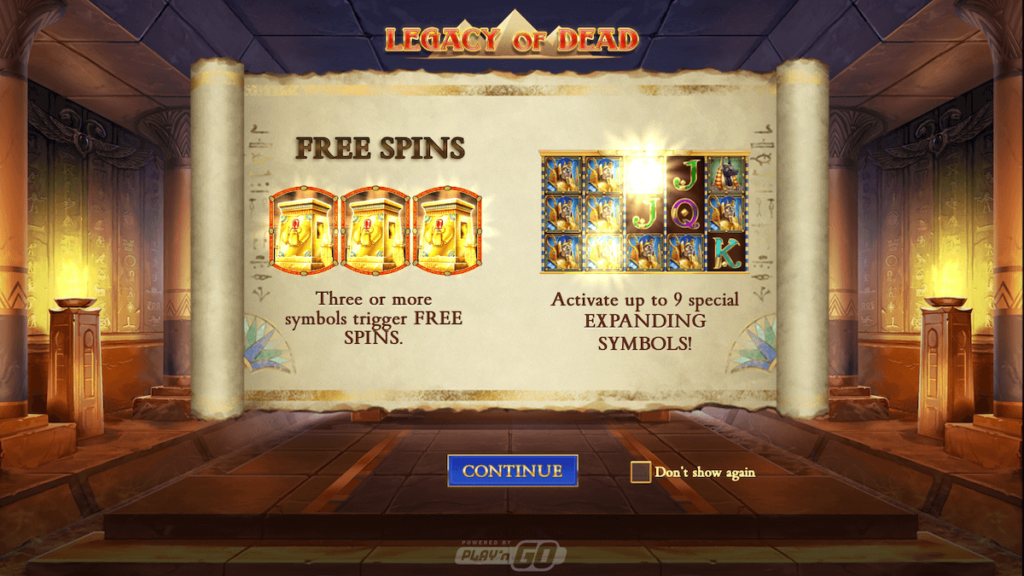
The “Legacy of Dead” slot game is known for its high variance. Its central free spins feature only triggers when a player lands three or more scatter symbols. This mechanic offers a powerful, if grim, analogy. People trying to get therapy through the NHS or some private services report a similar experience of spinning wheels. They make repeated calls, fill out assessments, and wait in a queue. They hope for the ‘scatter’ of an available appointment to trigger the actual help they need. The metaphor conveys a feeling of randomness and helplessness. Access to care can seem less like a systematic process and more like a game of chance, with serious consequences for a person’s mental health while they wait.
The Unpredictable Nature of Service Access
In slot games, high volatility means bigger wins that happen less often. Applied to mental health, this reflects the inconsistent service provision across the UK. Someone in one area might get talking therapies within weeks. Another person in a different region could wait eighteen months or more for similar care. This postcode lottery creates a unstable environment. The outcome depends more on geographical chance than on uniform clinical need. Not knowing when, or if, help will come amplifies the initial anxiety. It underscores the idea that recovery is subject to a random, impersonal system.
The Scatter Icon of Eligibility
In the game, the scatter symbol unlocks the valuable bonus round. In our metaphor, it symbolizes the eligibility criteria and assessment gates in mental health pathways. Patients must ‘land’ the right combination of symptoms, severity, and persistence to be deemed suitable for a particular service. If their presentation doesn’t match the protocol perfectly, there is no ‘trigger’. They might be directed elsewhere or told to try self-management. To the person in distress, this process can feel arbitrary. It mirrors the slot player’s hope for specific symbols to align, turning a clinical assessment into a moment of tense chance instead of a gateway to certain care.
Transitioning from Probability to Guarantee in Psychological Well-being
The ultimate aim should be to render the metaphor examined here outdated. A robust mental health service should not be like a high-volatility slot machine. Access to therapy must transition from a perceived game of chance to a reliable, timely guarantee based on clinical need. This requires a fundamental change in how resources are assigned, in public focus, and in political resolve. It entails building a workforce sizable enough to meet demand and designing services that are forward-looking, not just responsive. The impact we should aspire for is not one of empty spins and waiting. It is one of immediate, instant support. We must have a system where the first call for help reliably starts a process toward healing, not a long stretch of anxious anticipation.